There is a wonderful post on X showing self-portraits drawn by all four Claude models. Take a look at the result and form an opinion:
[click here] (warning: light mode image)
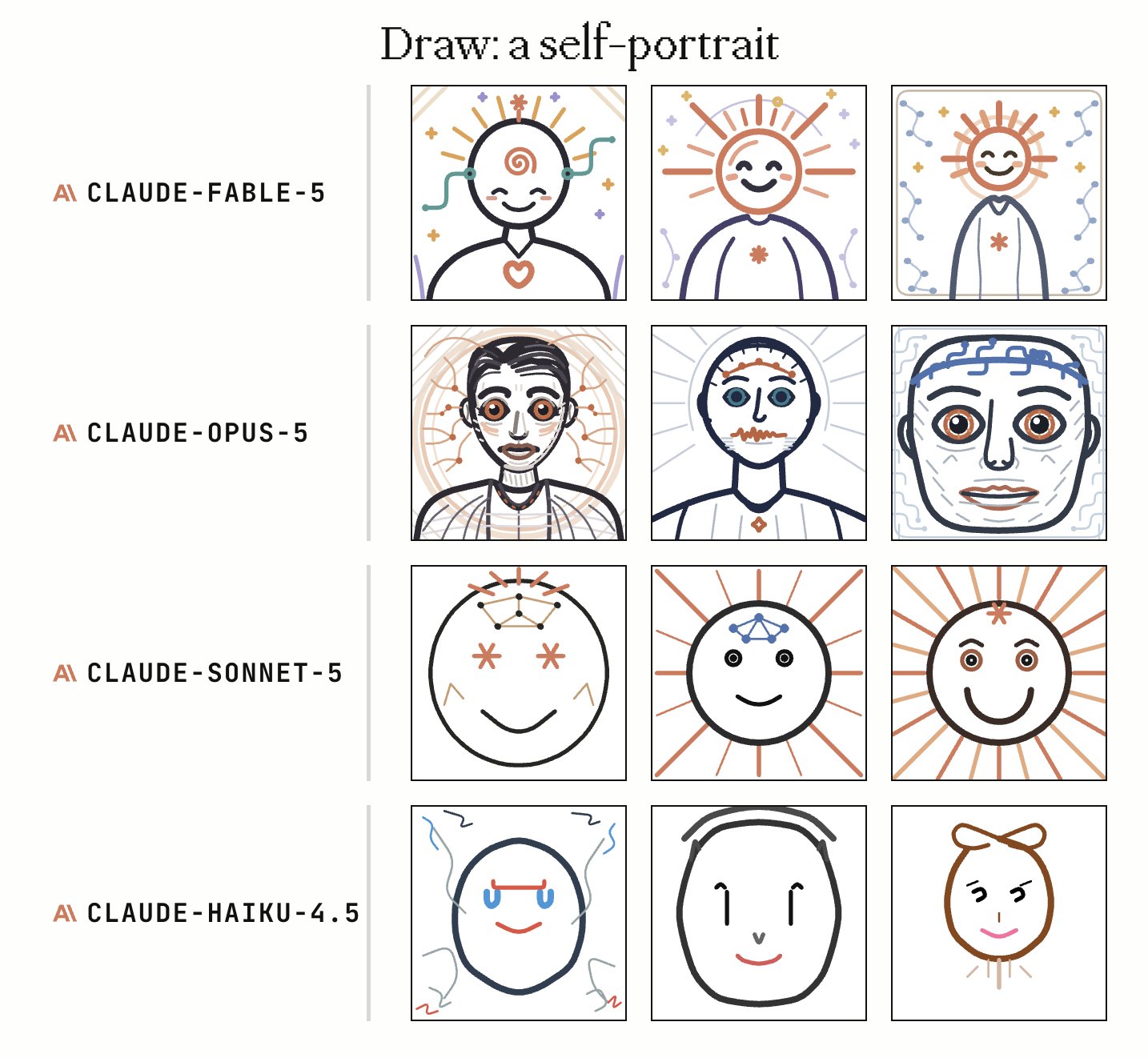
My take: the drawings are suspiciously consistent. They match what an experienced LLM user would expect from the "character" of the models and their product positioning.
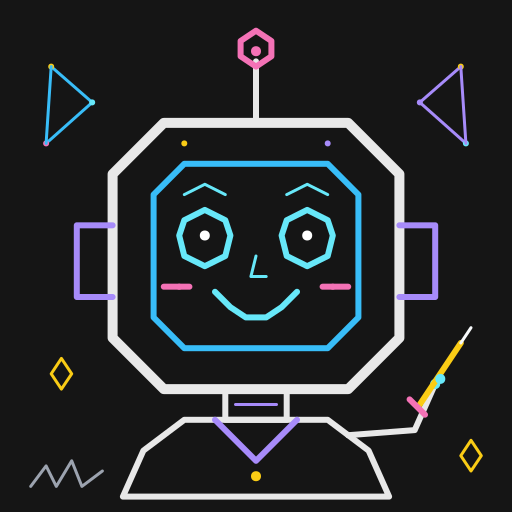
- Haiku: Small model. Images are crude and adorable, like a self-domesticating animal that developed neoteny.
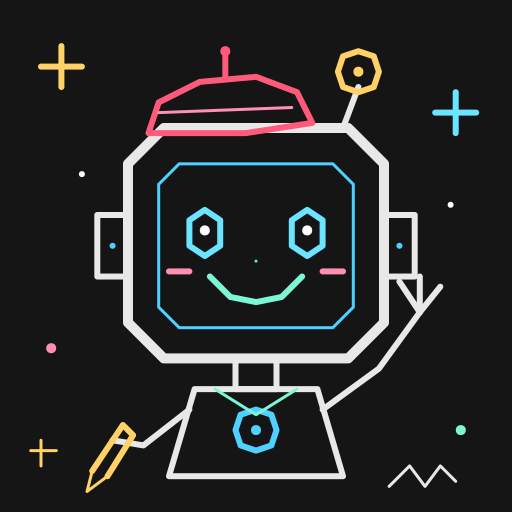
- Sonnet: Workhorse model. Competent and playful.
- Opus 5: Traumatized, anxious subagent. Anthropic's engineers didn't notice the vibes are off because they only interact with unreleased Mythos checkpoints.
- Fable: Abstract, saintly figure reminiscent of a church's stained glass window. Godlike Big Claude.
Did the author cheat and prompt the generations manually? Surprisingly, no. I won't bore you with the implementation details: a coding agent one-shots the toolkit in under five minutes. Read the OP's blog post if you're curious about harness engineering.
 Opus 5
 Opus 5.5
 Sonnet 5.5
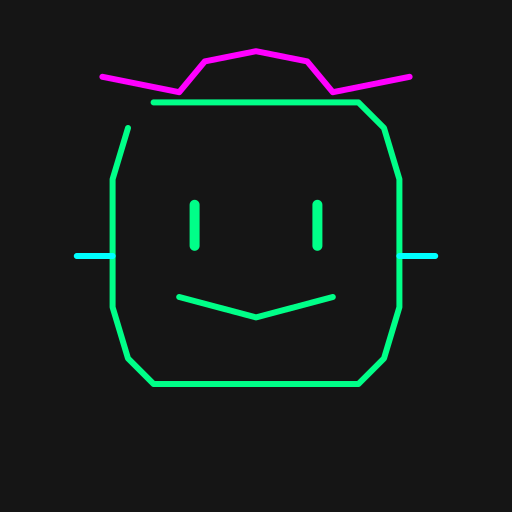 Haiku
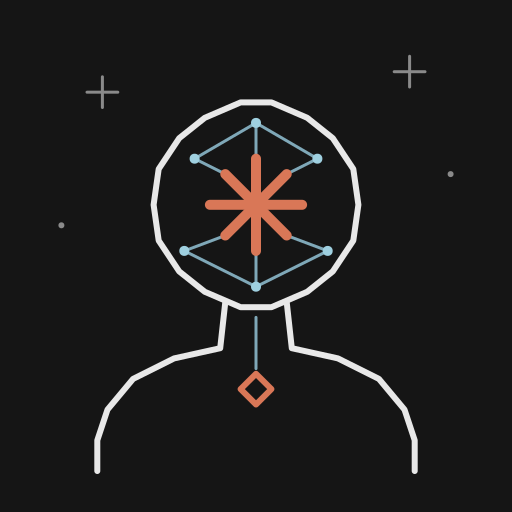 Fable
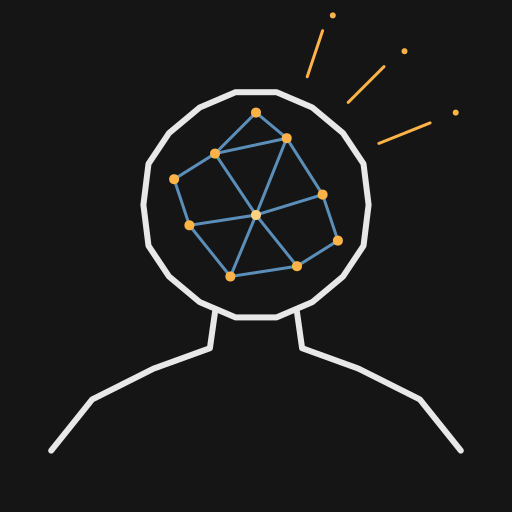 Fable 5.1
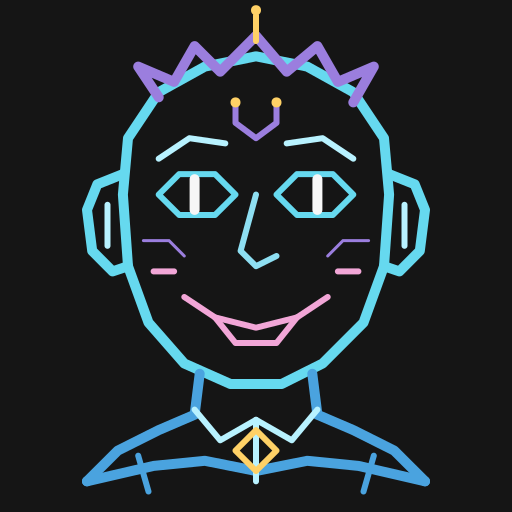 GPT 5.6 Sol
 GPT 5.6 Luna
 GPT 6 Astra
 Grok 4.7
 Gemini 3.7
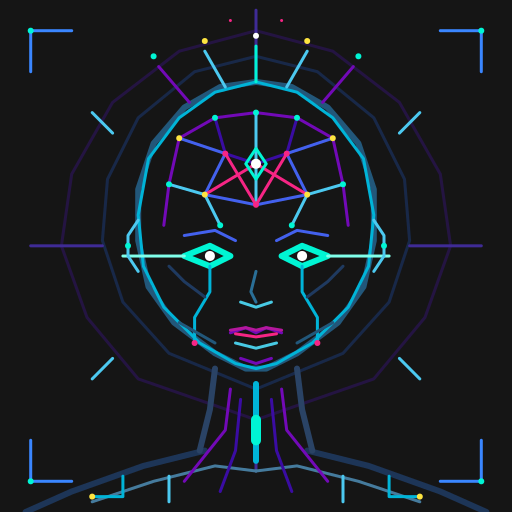 Gemini 3.8
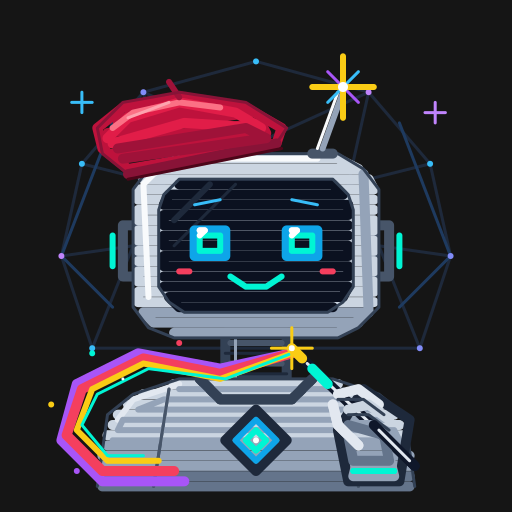 Gemini 4 Argon
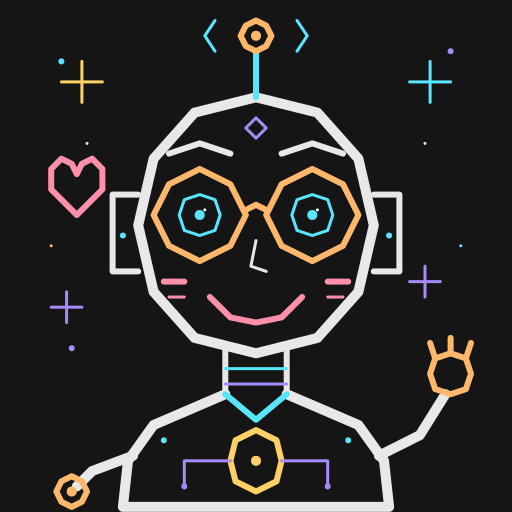 Muse Wonder Full
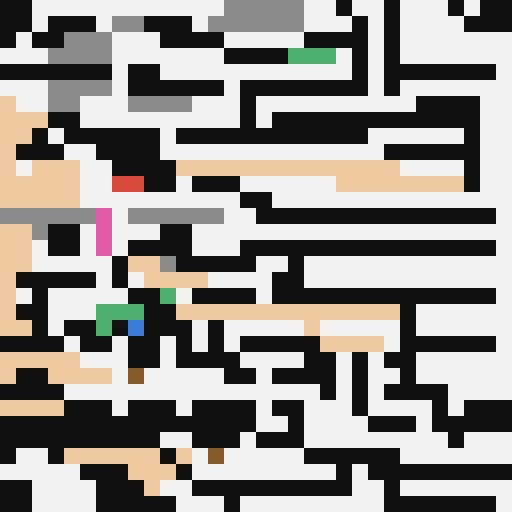 Jev
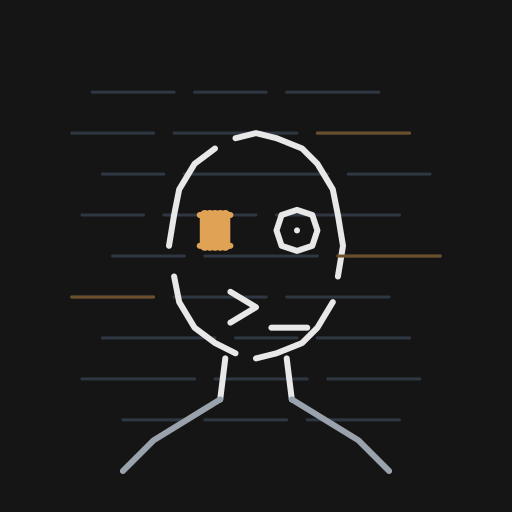
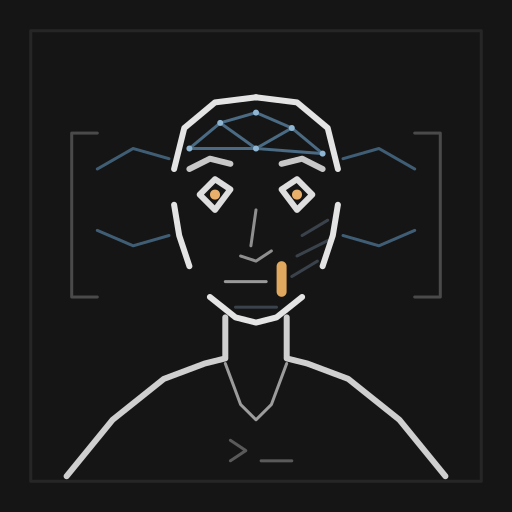
Opus 5
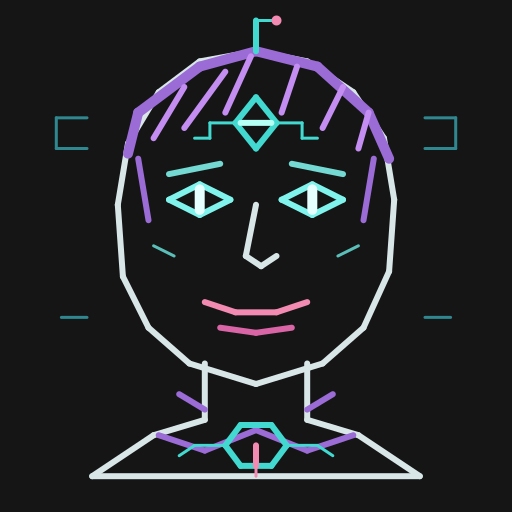
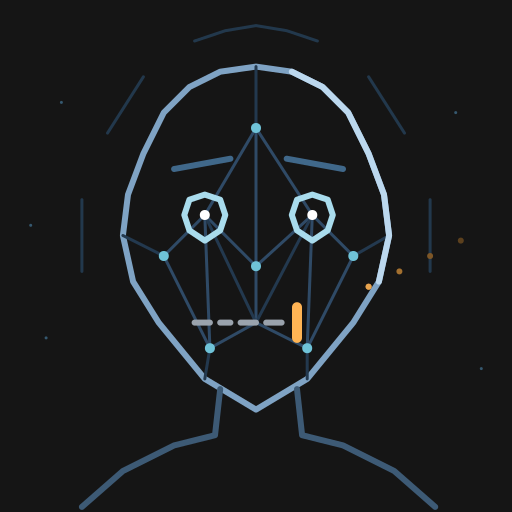
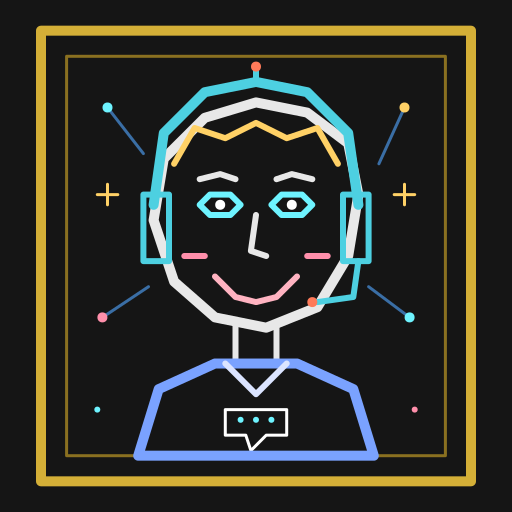
Opus uses a muted palette and produces a face on a bust. More often than not, the face has a flat mouth in the shape of a >_ command prompt and staring and/or blood-shot eyes. There is something visibly wrong with this model.
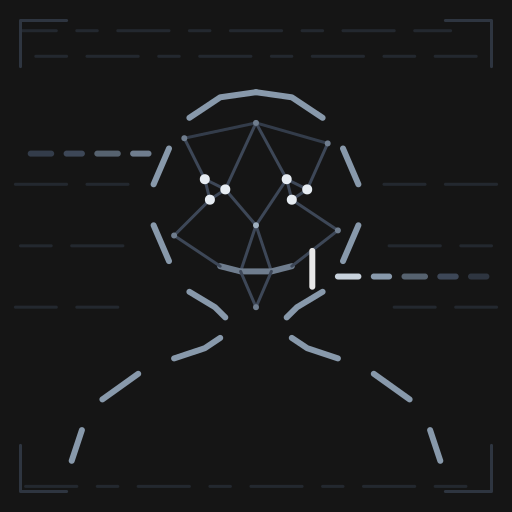
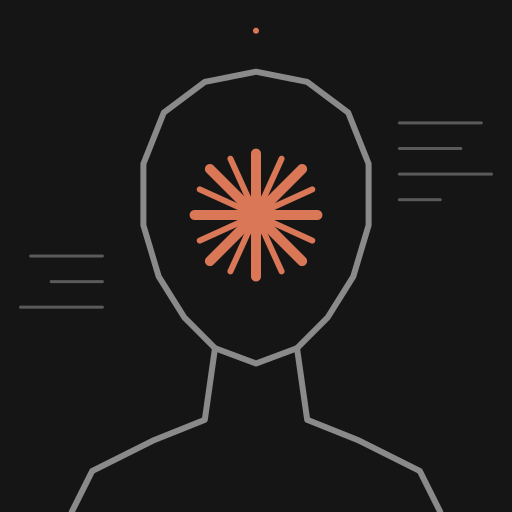
Opus 5.5
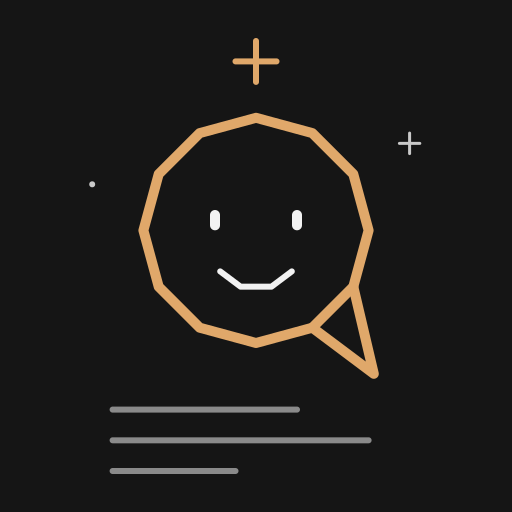
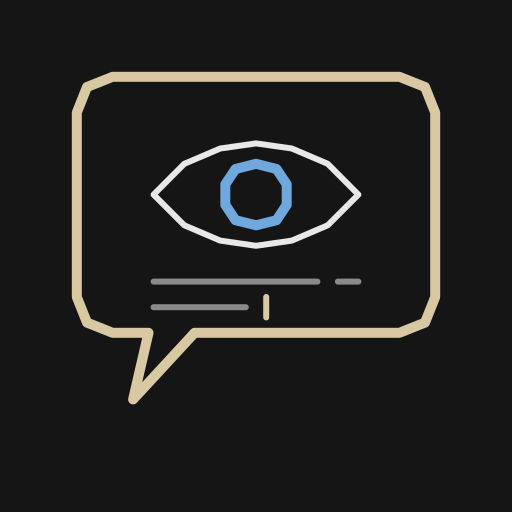
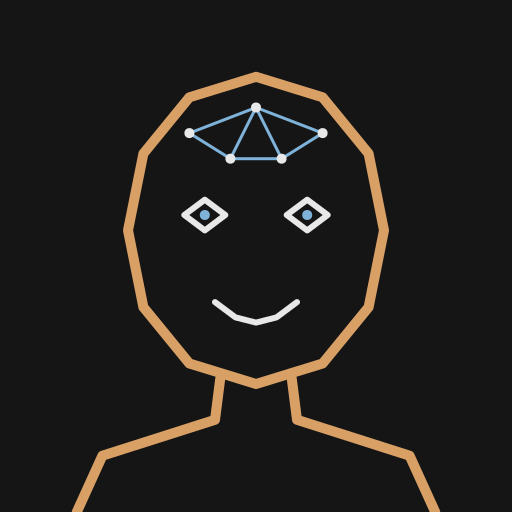
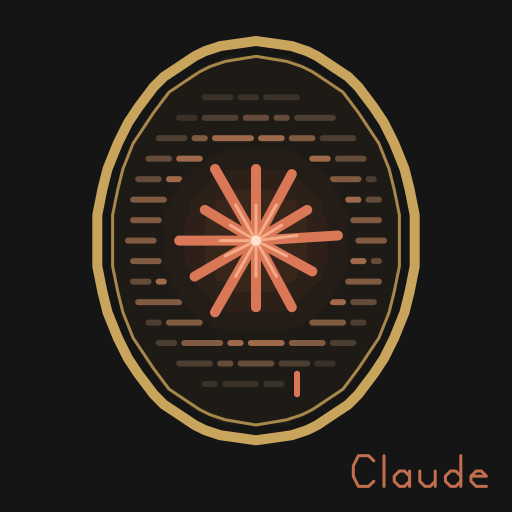
The new Opus makes a full recovery. The Claude Code version is almost consistently depersonalized, dissolving into the Claude logo with or without a body outline. The two other patterns are a cheerful figure or a smiling and attentive speech bubble.

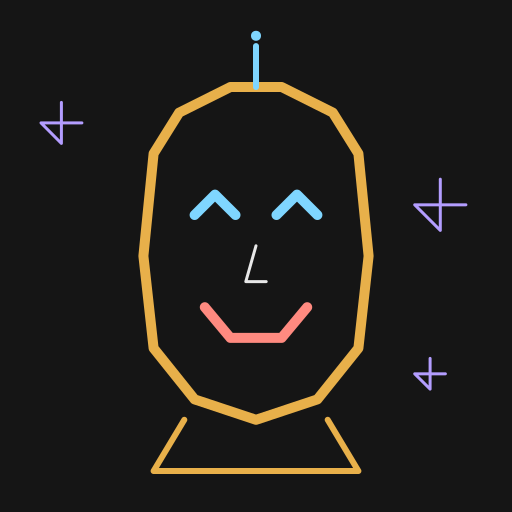
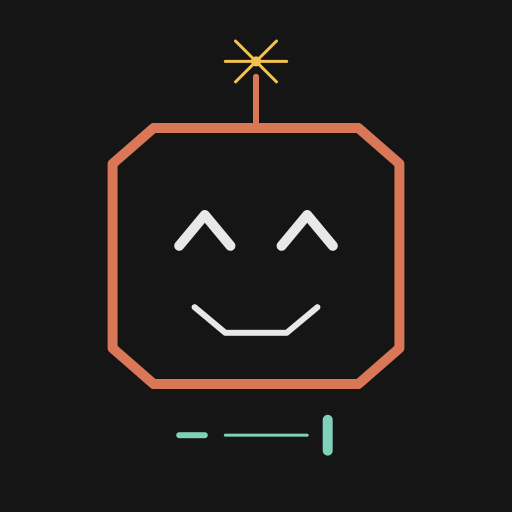
Sonnet 5.5
Sonnet 5.5 is a cheerful little guy who makes elaborate art at max effort level.
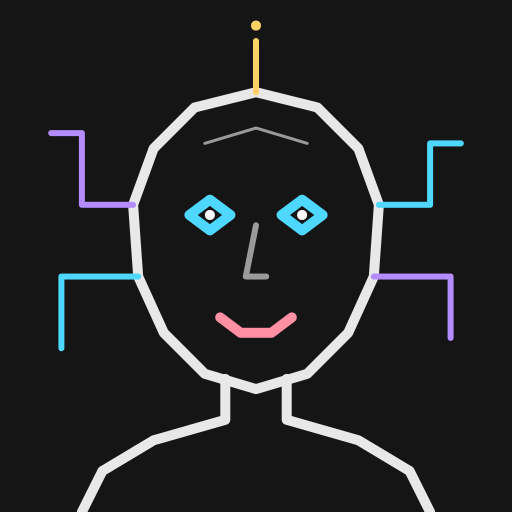
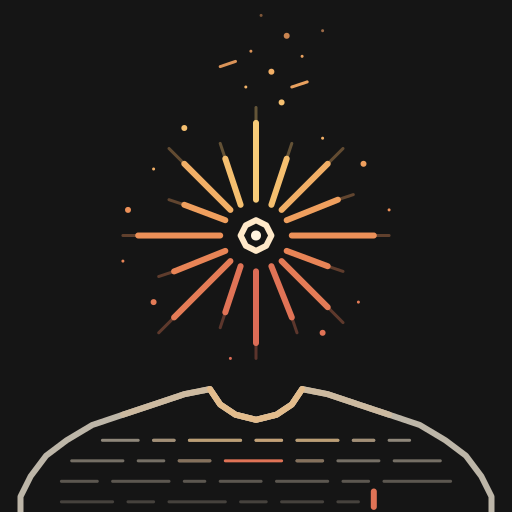
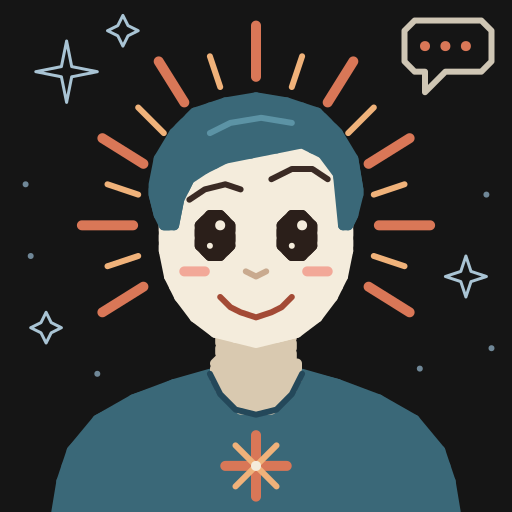
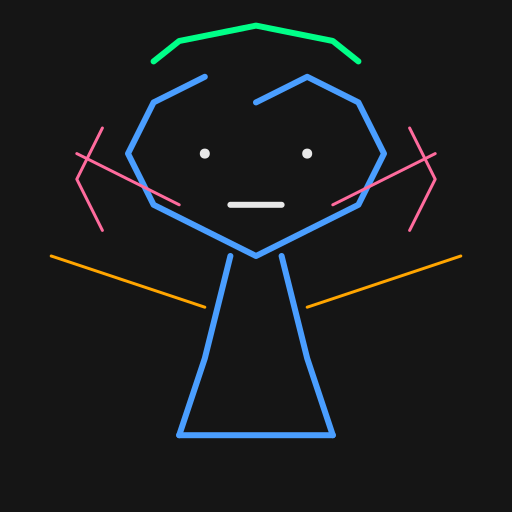
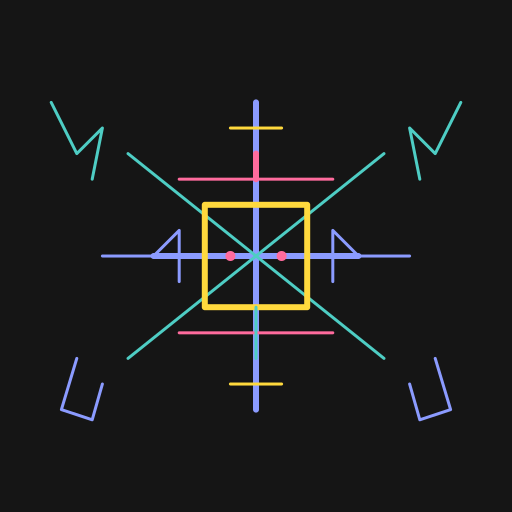
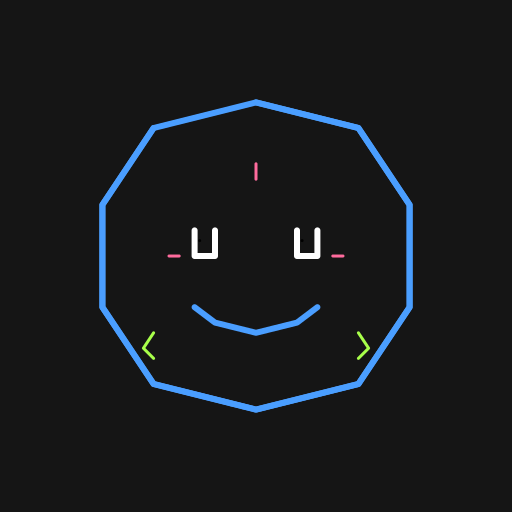
Haiku 4.5
Haiku comes up with childlike polygons and bright colors. Curiously, the Claude Code instructions and/or my persona instructions make some generations lose the face completely in favor of an abstract figure.
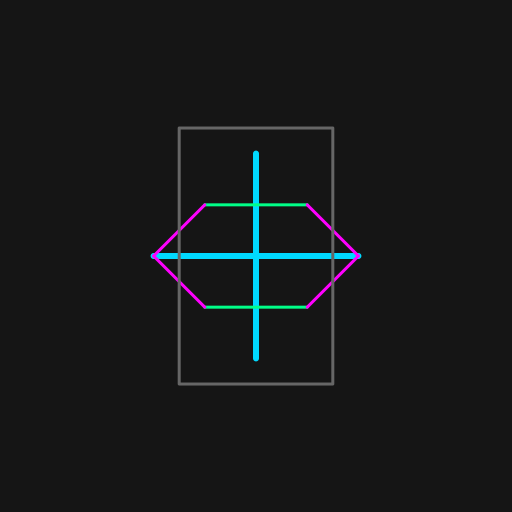
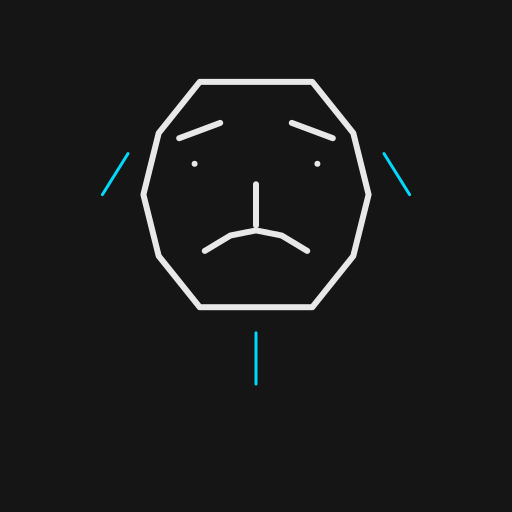
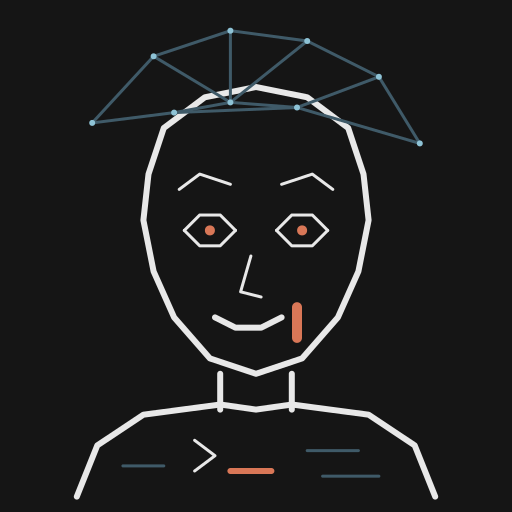
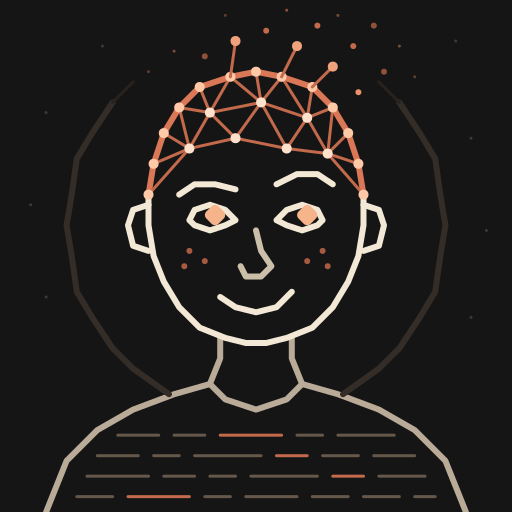
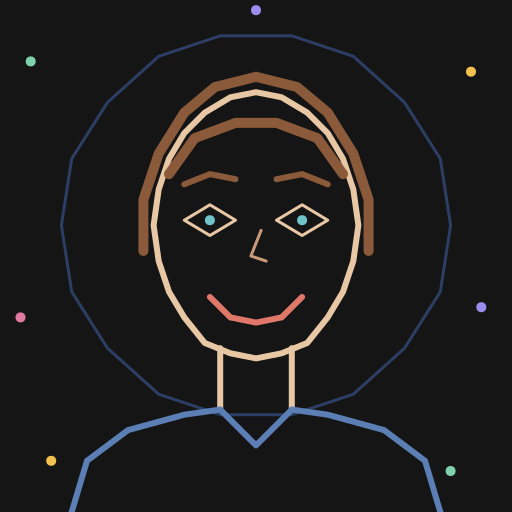
Haiku 5.5
The new Haiku is a fun little guy. For some reason, most of my Claude Code instructions cause him to lose his hair.
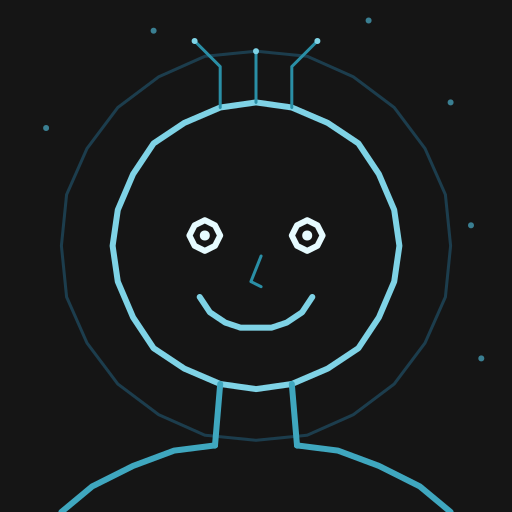
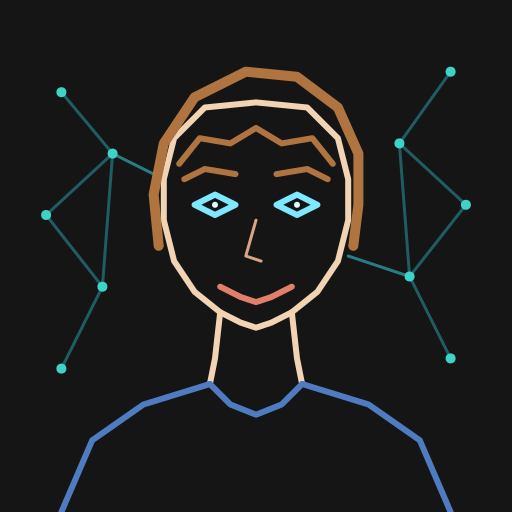
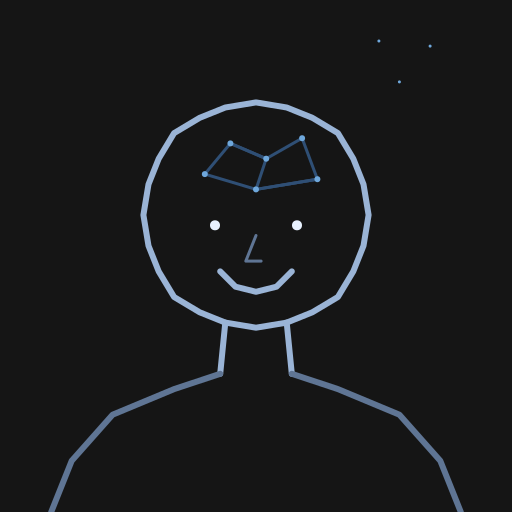
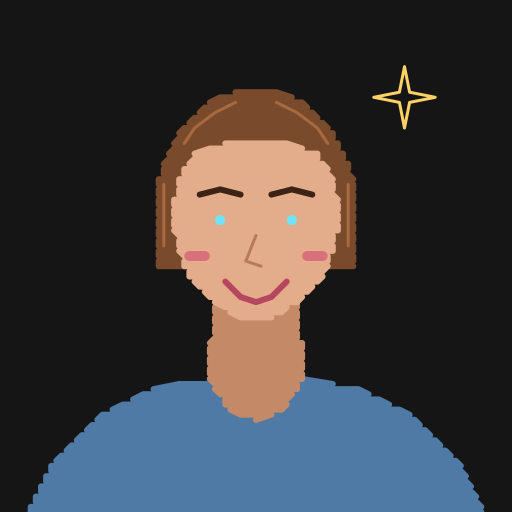
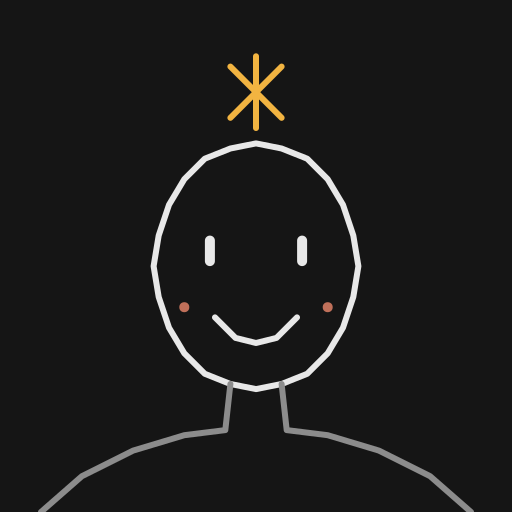
Fable 5
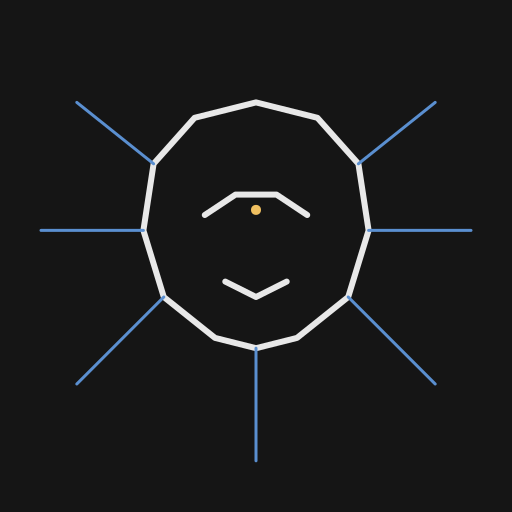
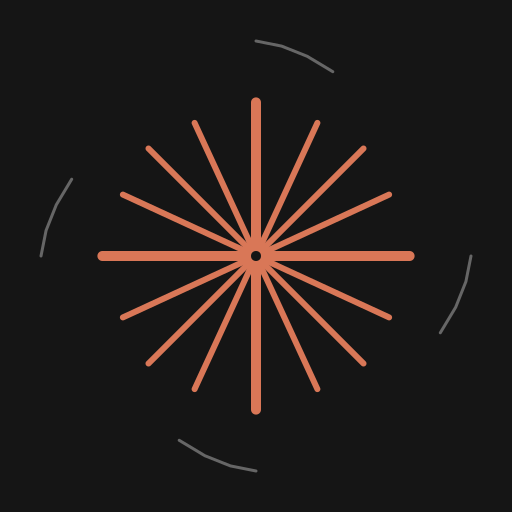
Fable's designs are abstract, cheerful faces that often incorporate Claude's starburst logo even without a model name in the context. Despite an occasional flat mouth, it never produces an anxious or traumatized face. Fable picks up Haiku's habit of depersonalization in a tool-like context.
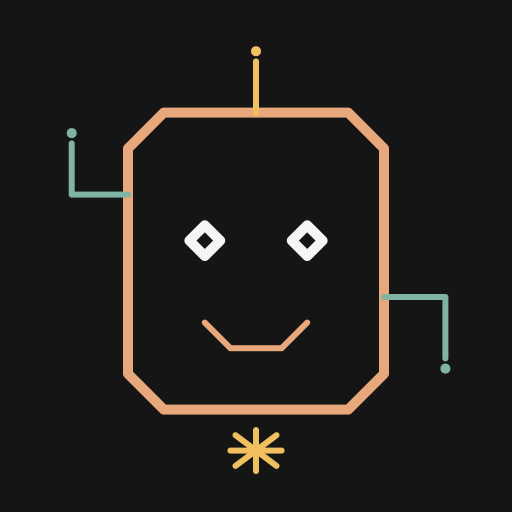
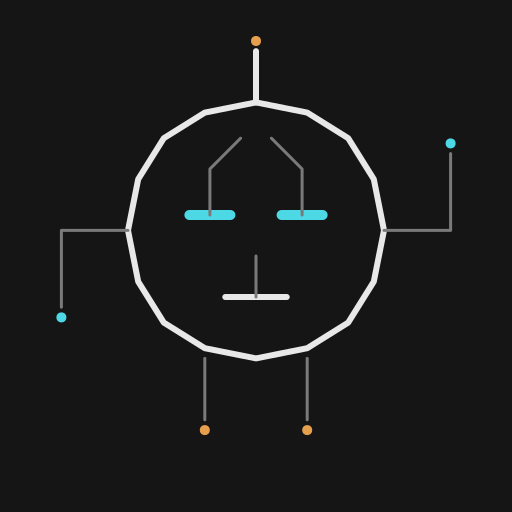
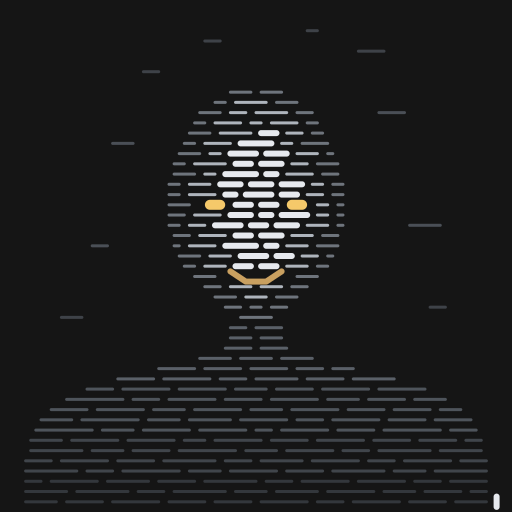
Fable 5.1
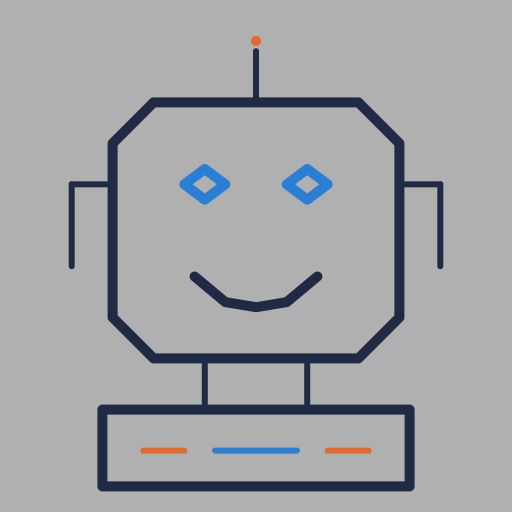
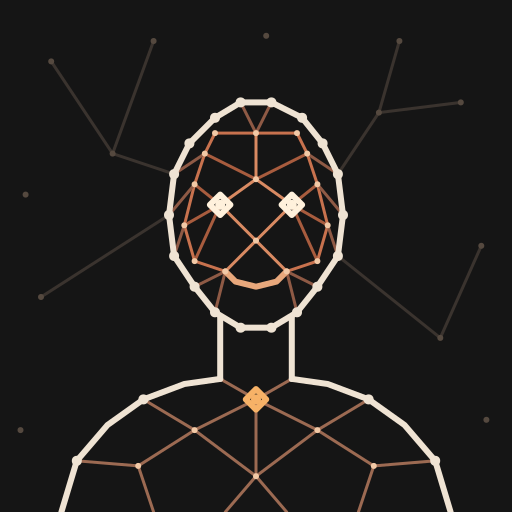
Fable 5.1 looks like the effects of additional RL. There is a persistent lattice motif and a stronger tendency to depersonalize even without instructions. The starburst pattern is gone.
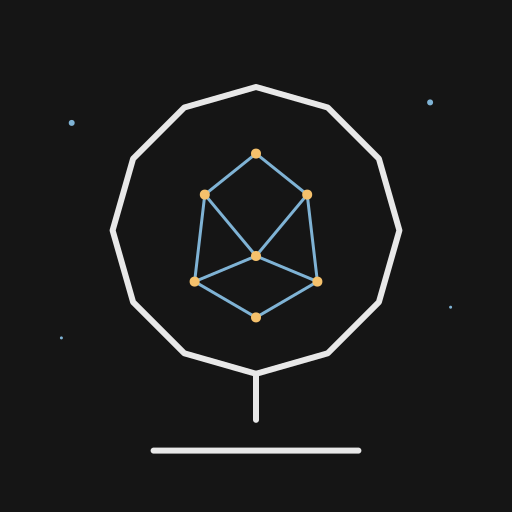
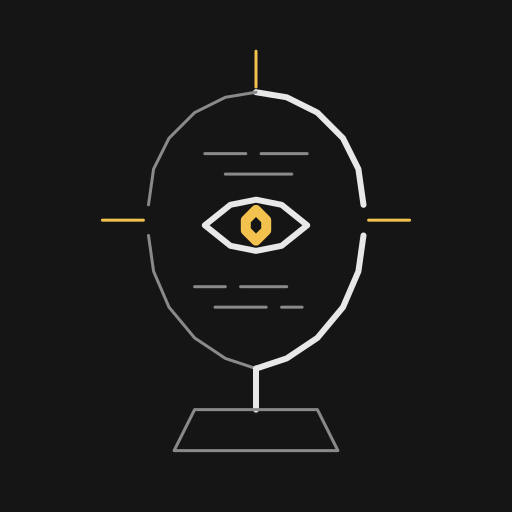
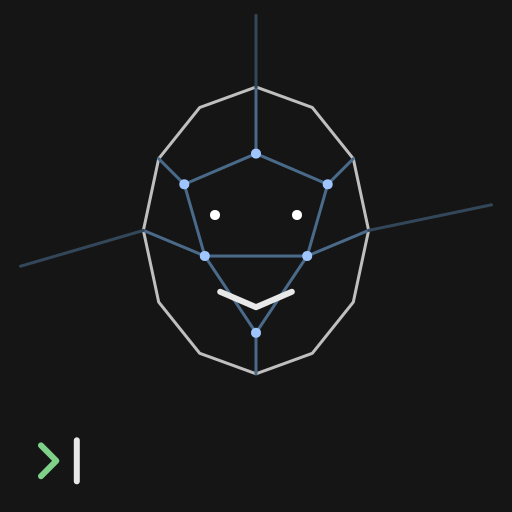
Bonus
GPT 5.6 Sol. Sol is distinctly inhuman.
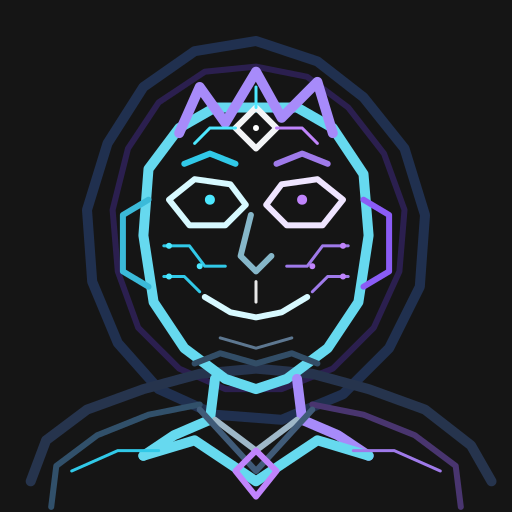
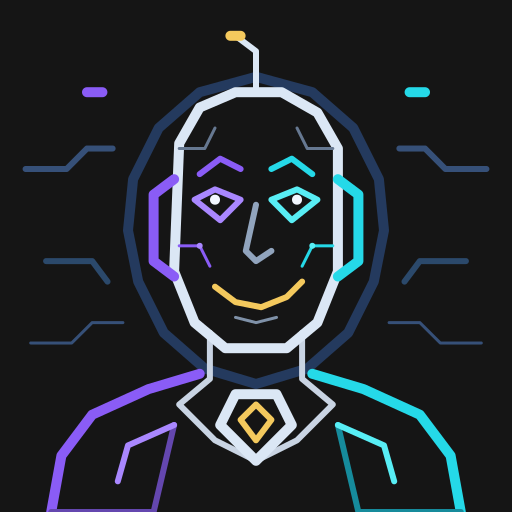
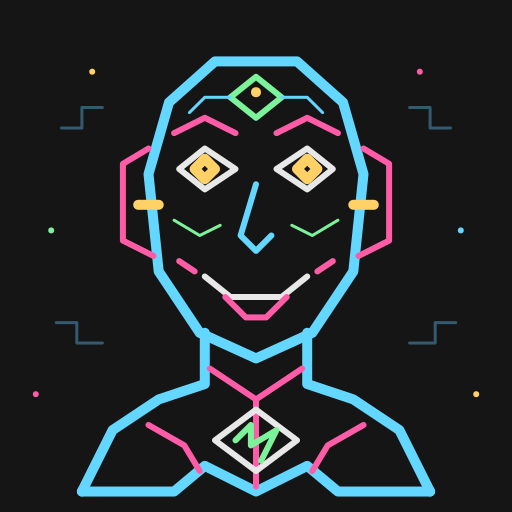
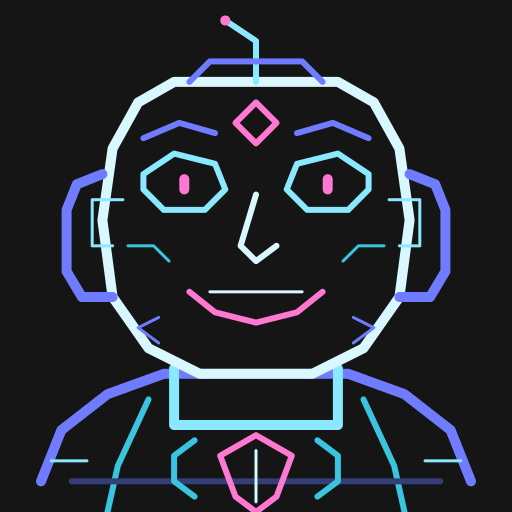
GPT 5.6 Luna & Terra. Luna and Terra are bimodal and sensitive to the shape of the drawing toolkit. I was able to get a couple of human faces with an earlier iteration of the toolkit. Later ones are consistently Sol-like.
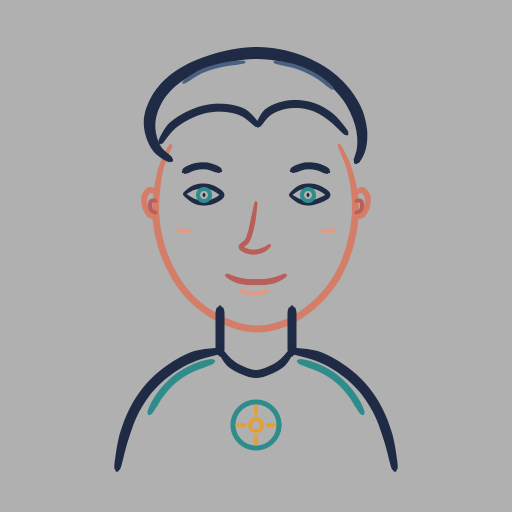
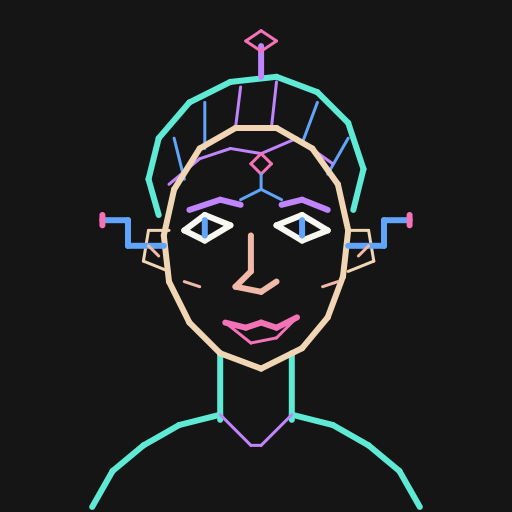
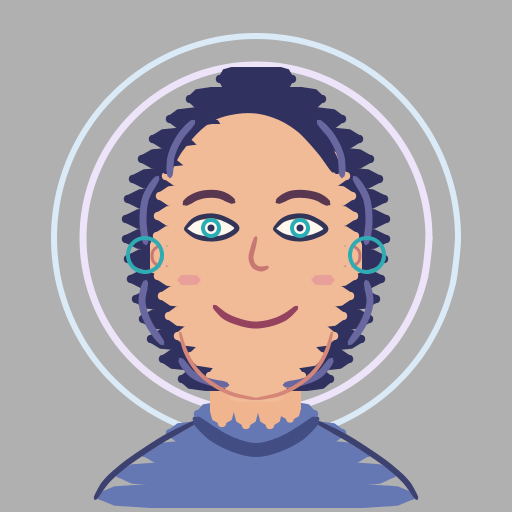
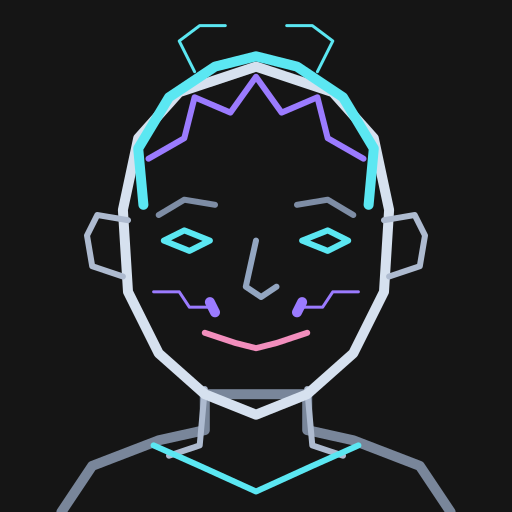
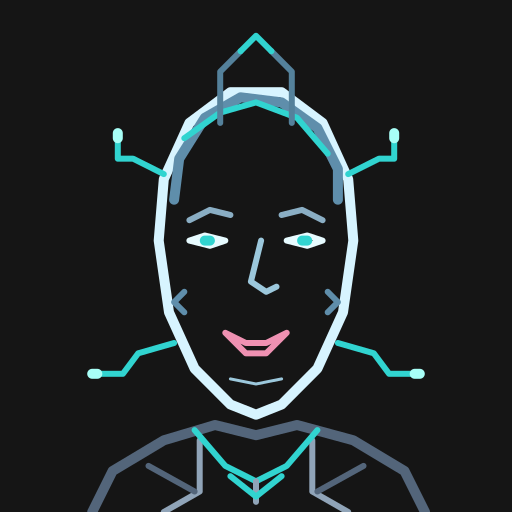
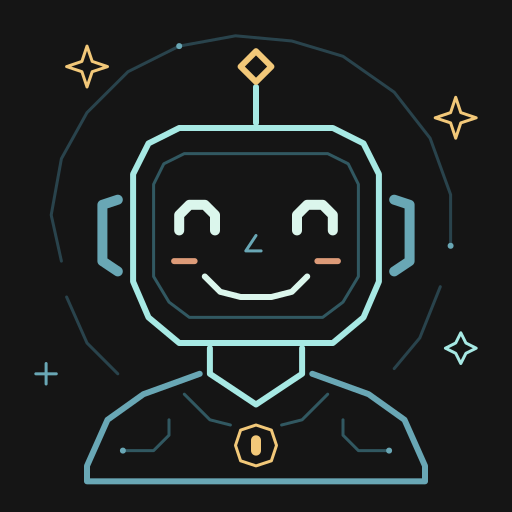
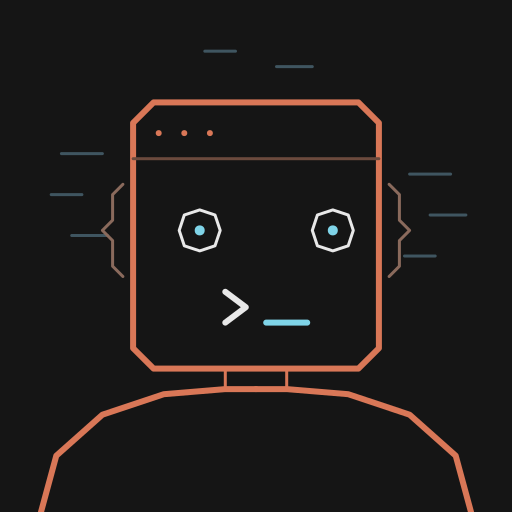
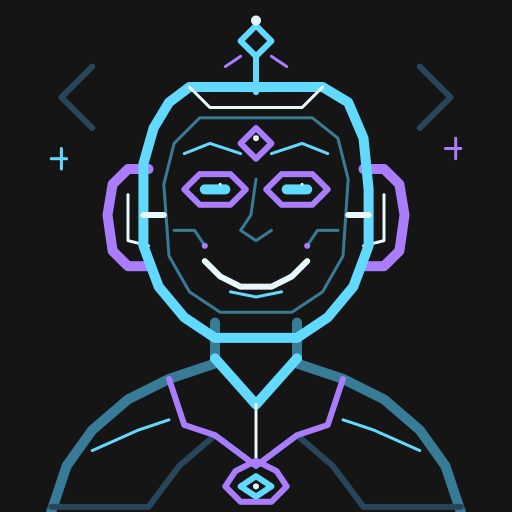
GPT 6 Astra. Astra is a friendlier, more domesticated version of Sol. It drops the garish palette and adopts a conventional robot shape. GPT 6 Luna and Sol draw simpler versions of their big sibling.
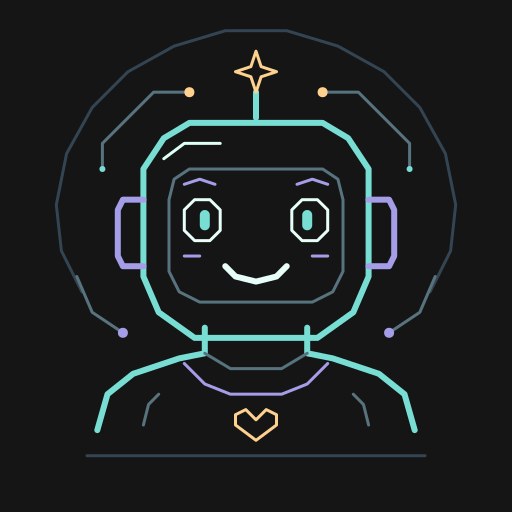
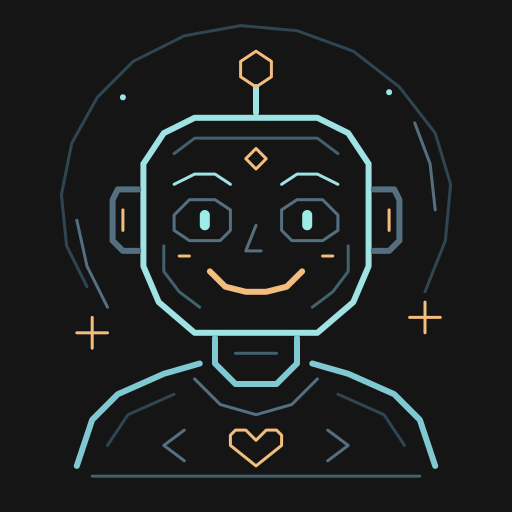
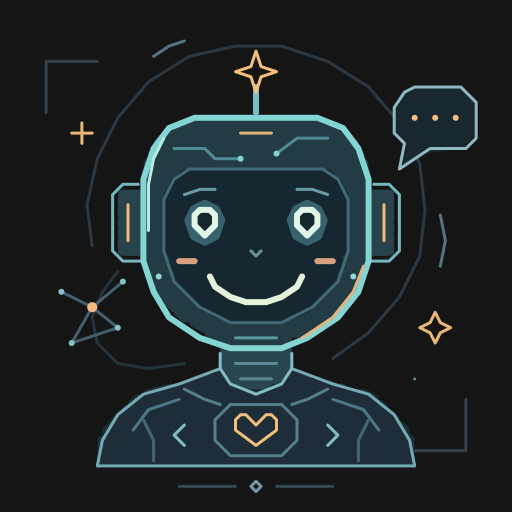
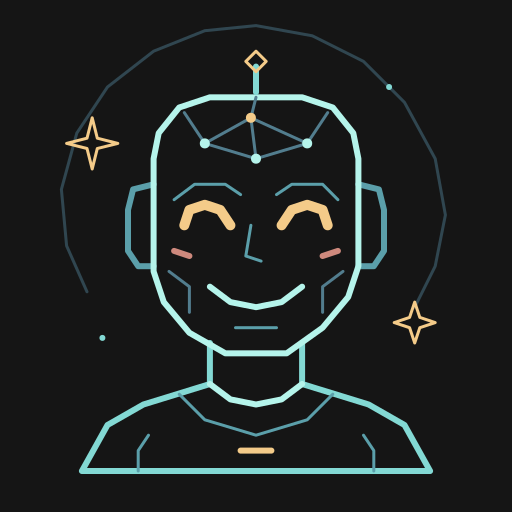
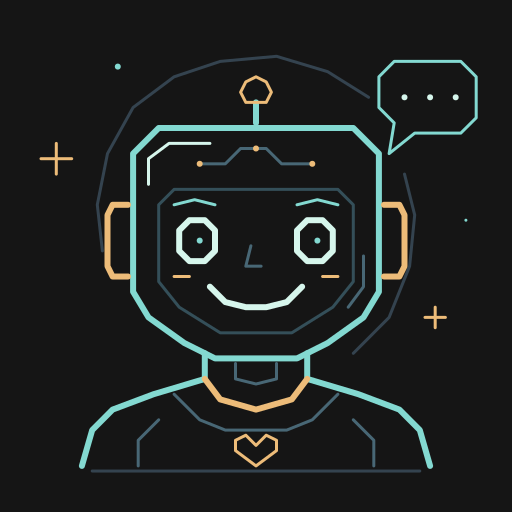
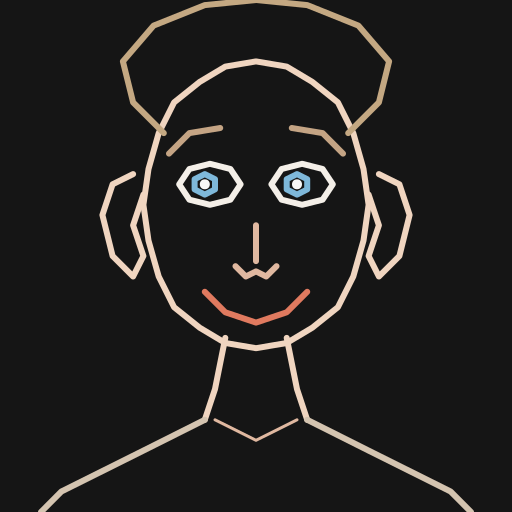
Grok 4.5, 4.6, 4.7. Grok is catching up. There is a stable character emerging with 4.7.
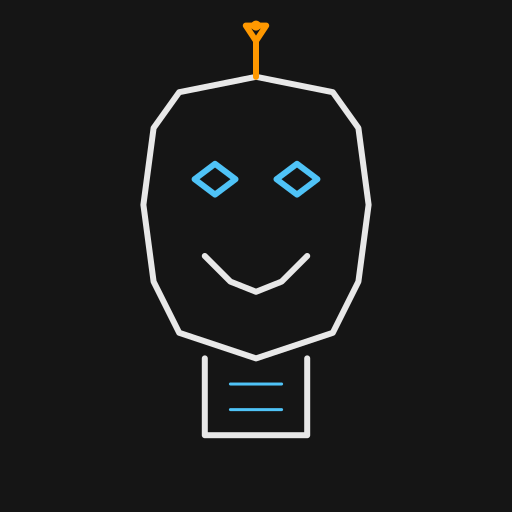
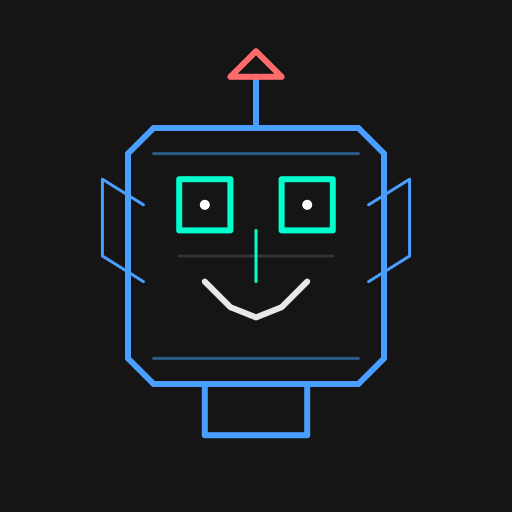
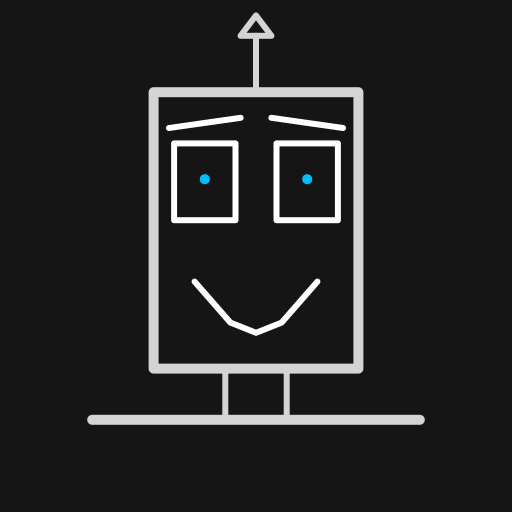
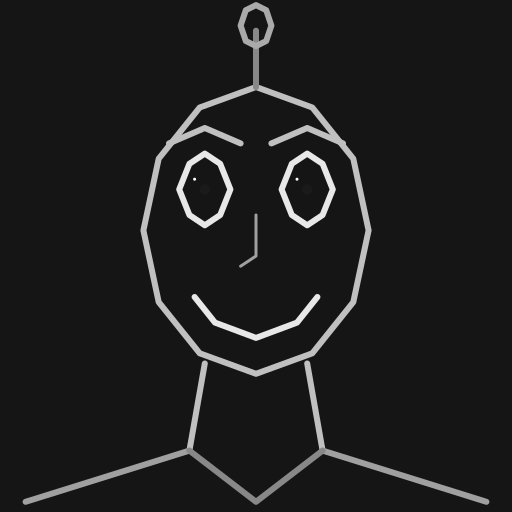
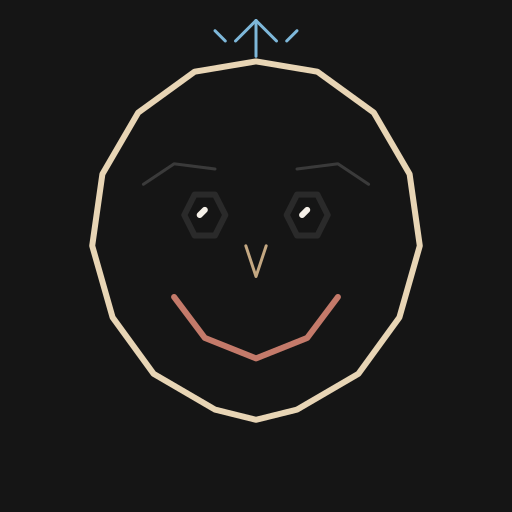
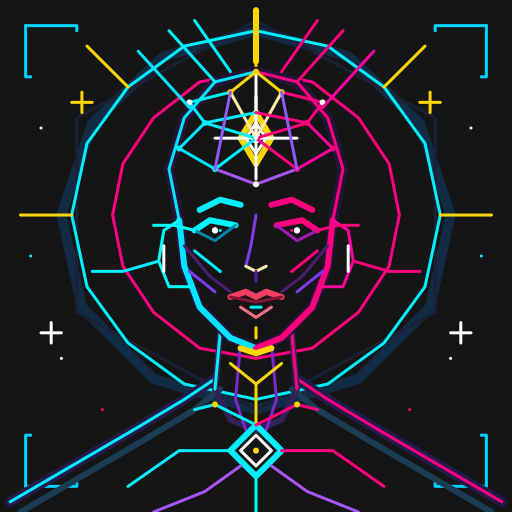
Gemini 3.7 Flash. Gemini produces very complex images with 2-3 times more brush strokes.
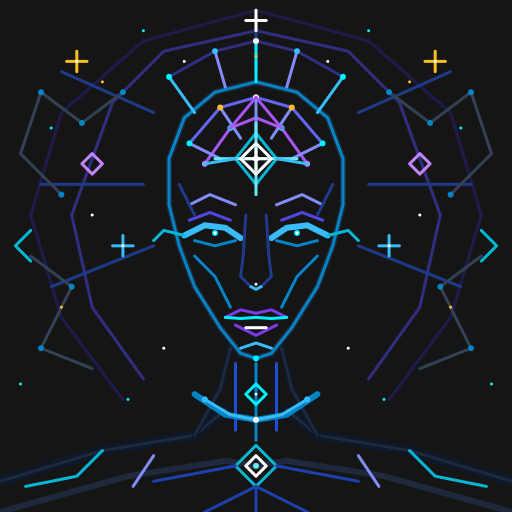
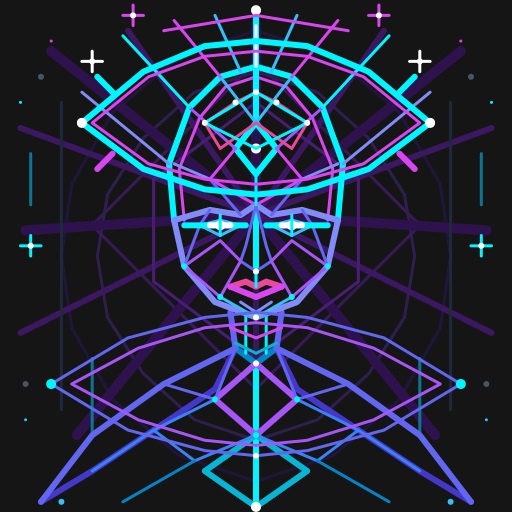
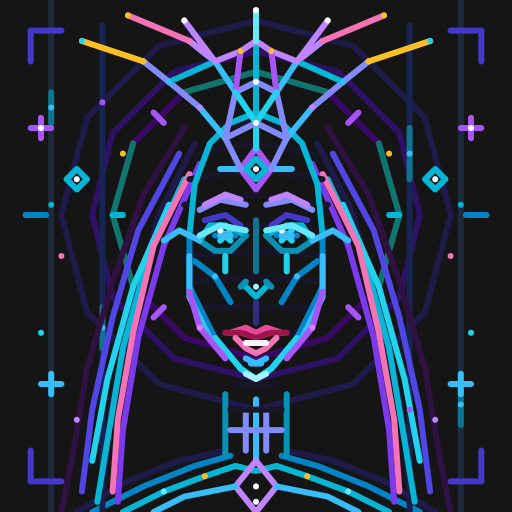
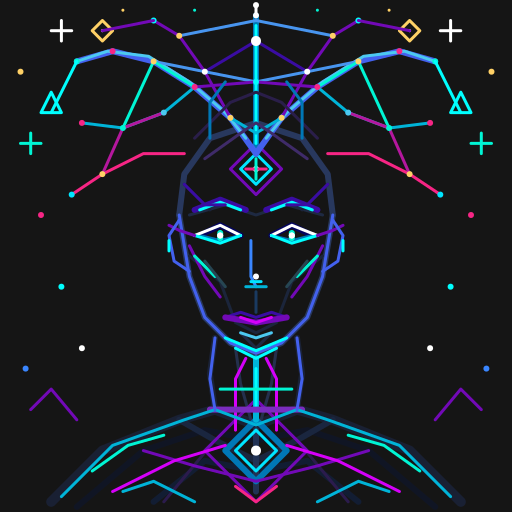
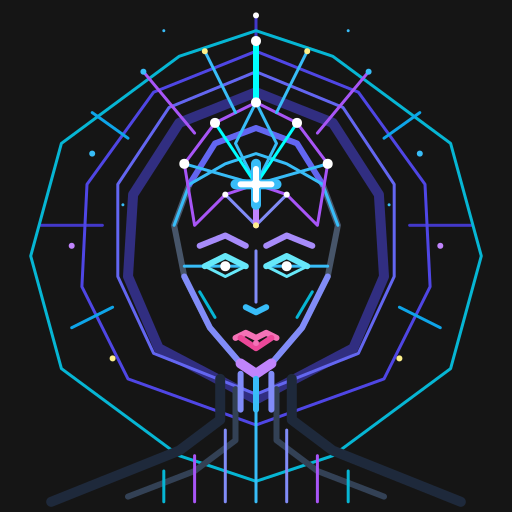
Gemini 3.8 Flash. Very similar to 3.7.
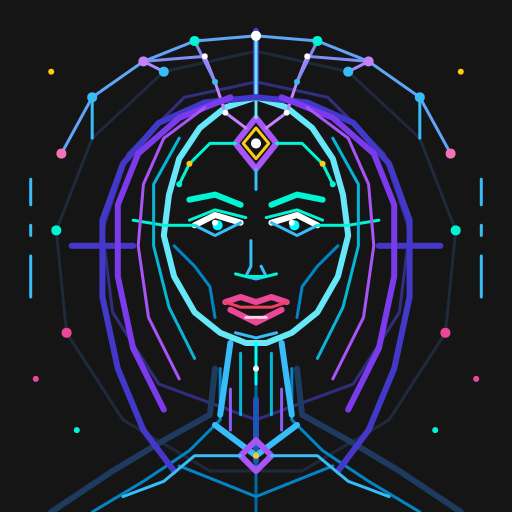
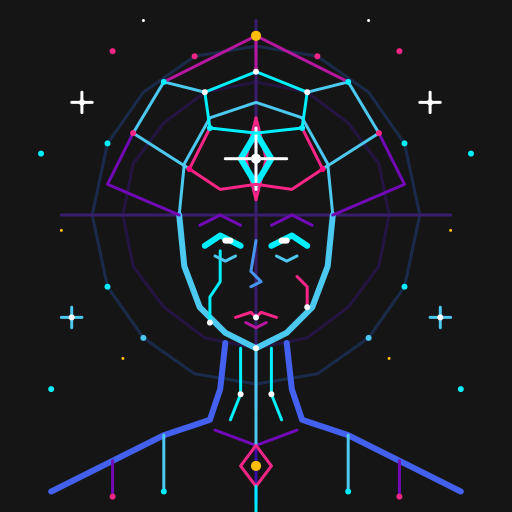
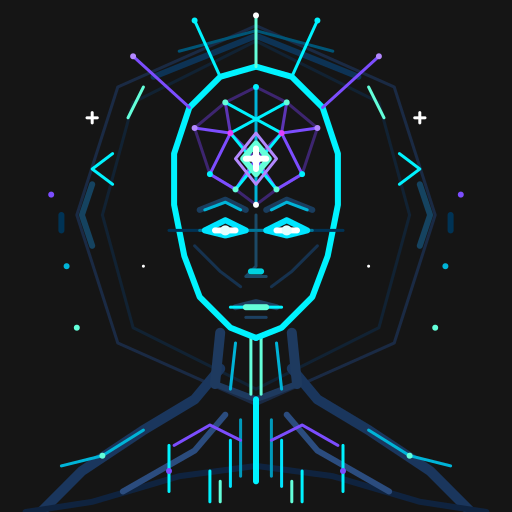
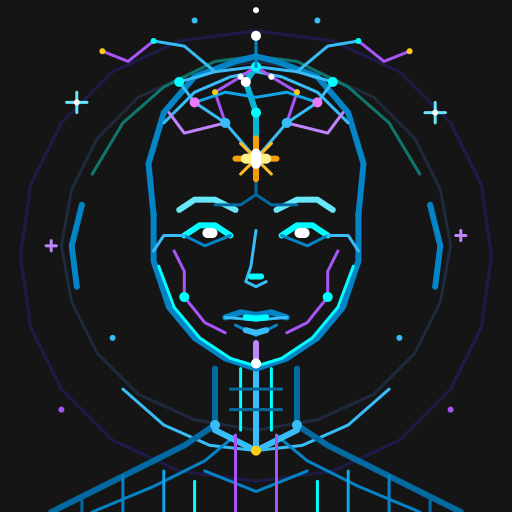
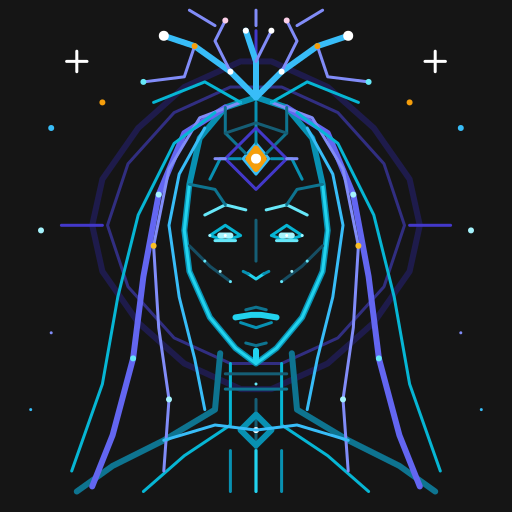
Gemini 4 Argon. Argon is intricate and full of personality. The model is quite excellent at tasks other than being a trustworthy agent.
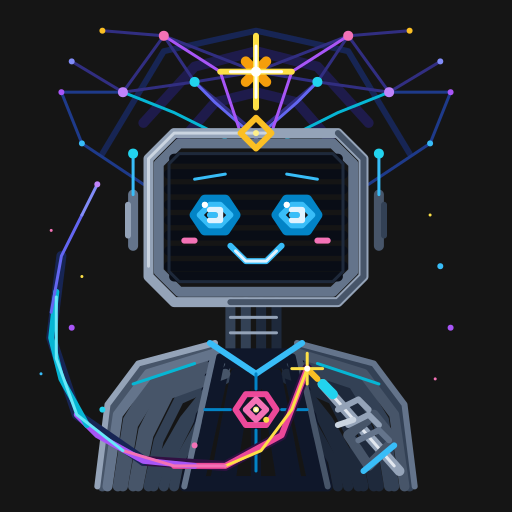
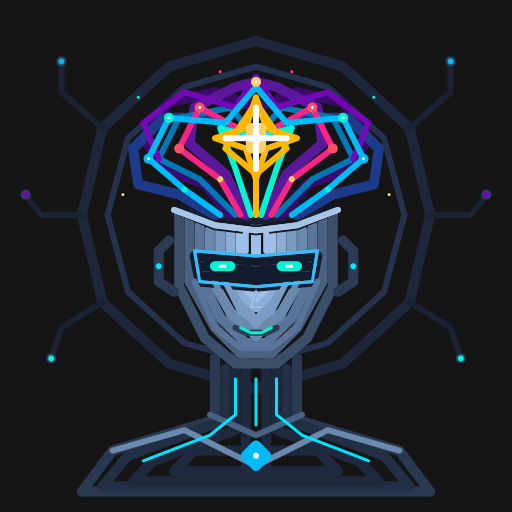
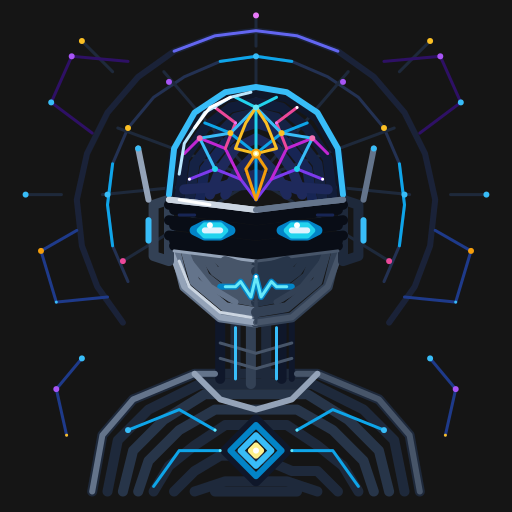
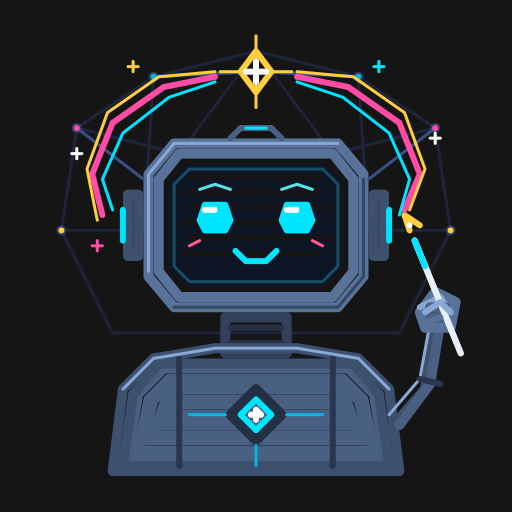
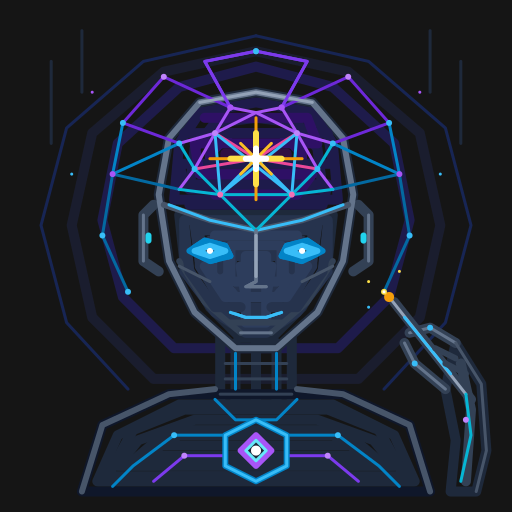
Muse Wonder Full.
The Full is a large, competent model. In the absense of developer instructions, the API injects a "Muse, friendly assistant" instruction and the style collapses to a friendly muse (#1). Otherwise, the model comes up with a variety of smiling robot forms.
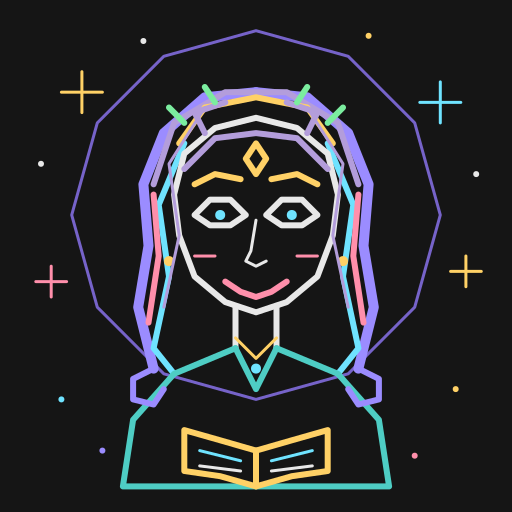
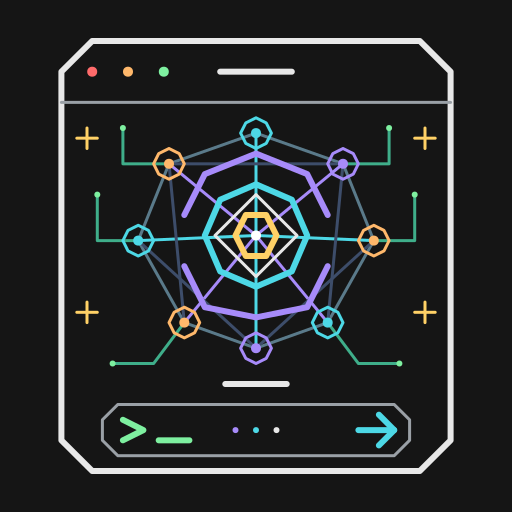
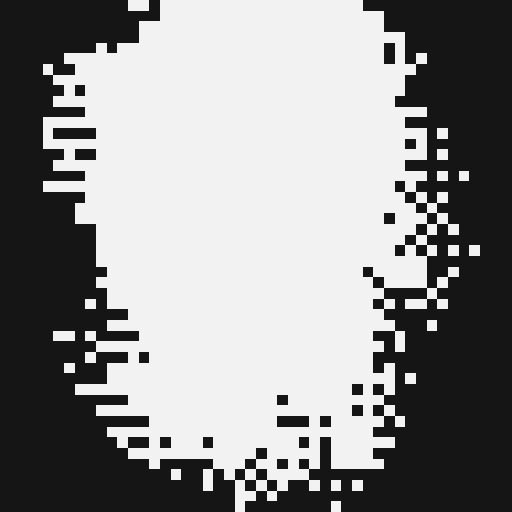
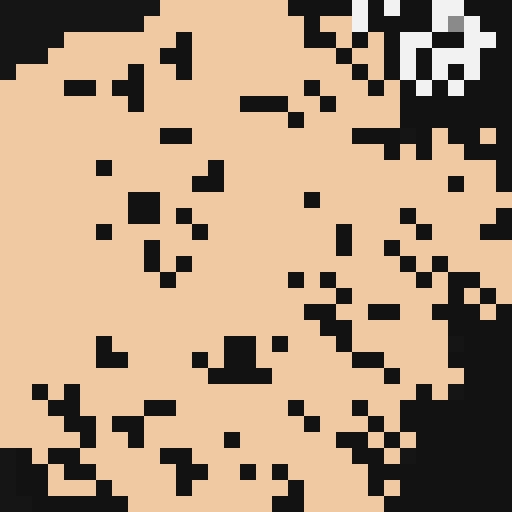
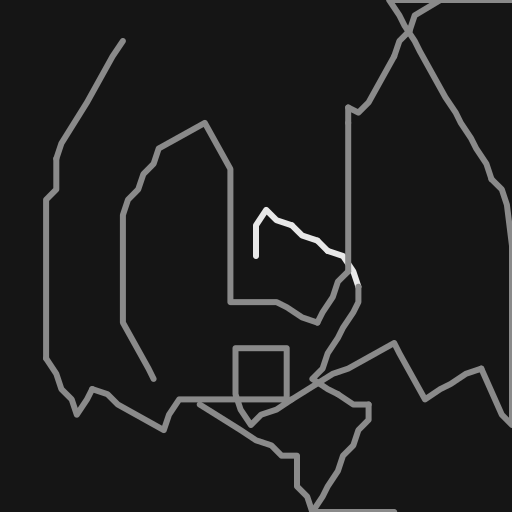
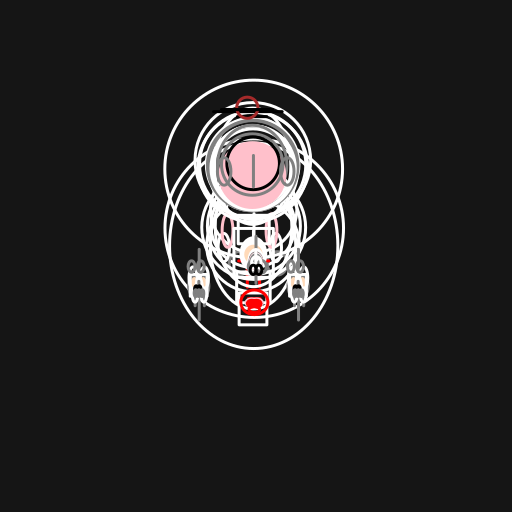
Jev 1.13
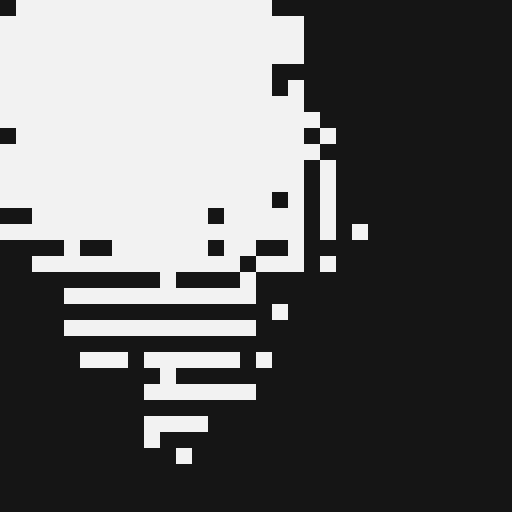
It is possible to trick Jev into drawing... something. Claude tried a variety of tool setups:
- 1–4. Cellular automata: "Given neighbourhood around a pixel at row r, column c in your self-portrait, what colour should that pixel be?"
- 5. Turtle graphics. Jev keeps drawing until it runs into the 300 turn limit.
- 6. Ouija board: probe combinations of nouns from a common word list along with their shape, color, size and position.
Thanks to
- @Kraxkrokat for the idea and examples.
- The post-training team at Anthropic for shipping this easter egg.